WAVE
LED light patterns mirror the car's speed to reduce motion sickness while reading
FOR A LIGHT RIDE
- Team
- 8 master students
- Disciplines
- Business Innovation · Informatics · Finance and Information Management · Information Systems · Management and Technology
What happened, step by step.
Challenge
OSRAM asked for a personal lighting system for future mobility. The team explored what people will do in cars once they no longer have to drive.
What the team learned
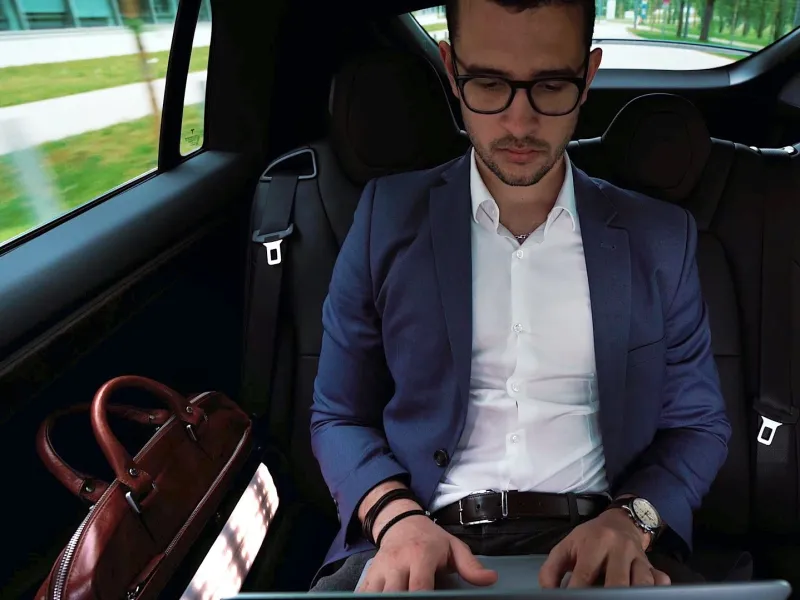
Interviews showed that people want to read, work, play games or watch films while travelling, but many cannot because of motion sickness.
What they built
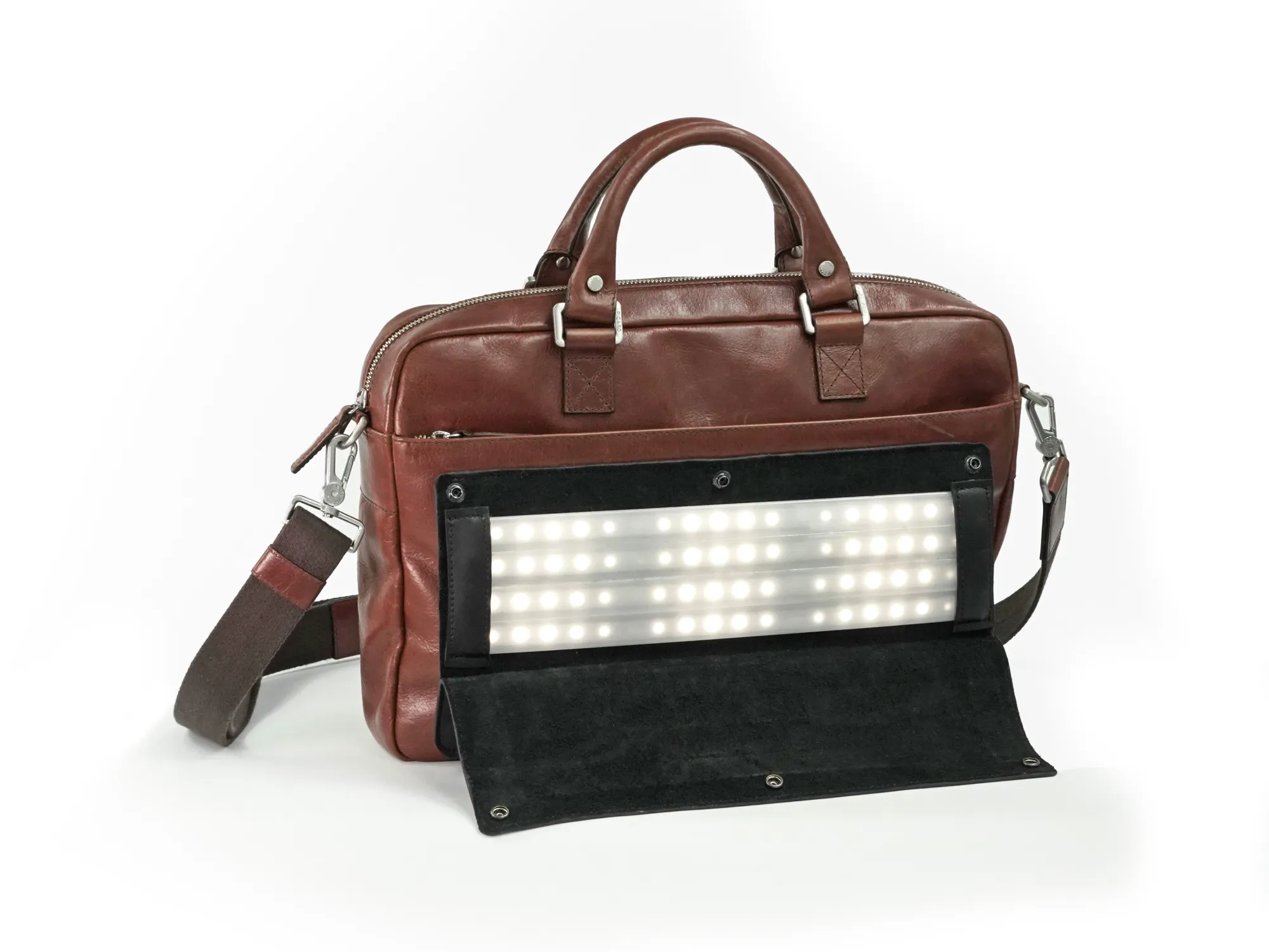
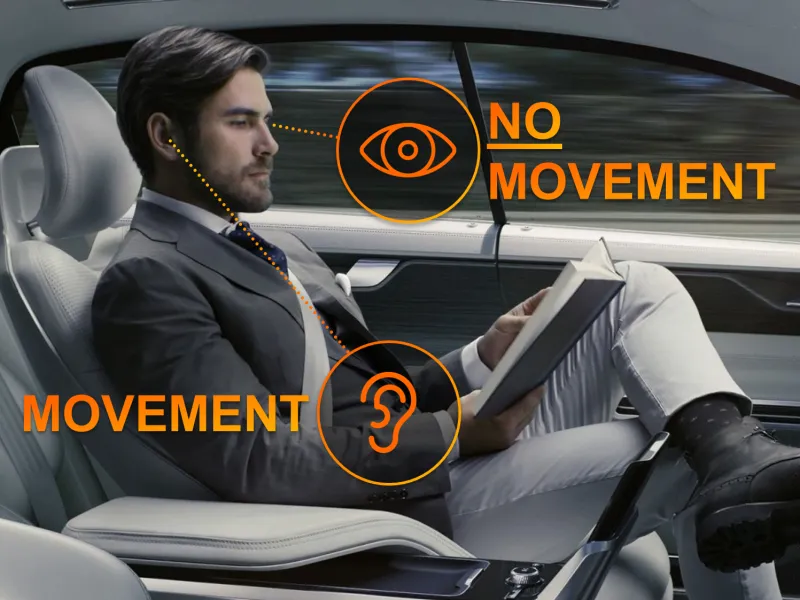
WAVE is a series of portable light products against motion sickness. LED strips in the peripheral field of vision move with the car's speed, matching visual input to the vestibular system. The team built a laptop bag with sensors and a pillow for children.
Impact
Passengers can use the portable products today. Once self-driving cars arrive, OSRAM could build the technology into car interiors.
Full project text
The team’s original texts from the project page.
WAVE is a lighting system against motion sickness. Using smart LEDs, which represent the speed of the vehicle, the visual input is synchronized with the vestibular system and the symptoms of motion sickness are significantly reduced.
Challenge
The challenge was to create a personalized lighting system for the upcoming future mobility. When talking about future mobility, a lot of futuristic vehicles come to mind such as drones or autonomous, connected cars. But how will people live in this scenario, how will they interact with future mobility solutions? In order to answer this question, the Design Thinking Team took a wide look into the future and tried to understand what people will do when they’re no longer obliged to pursue any driving task.
Solution
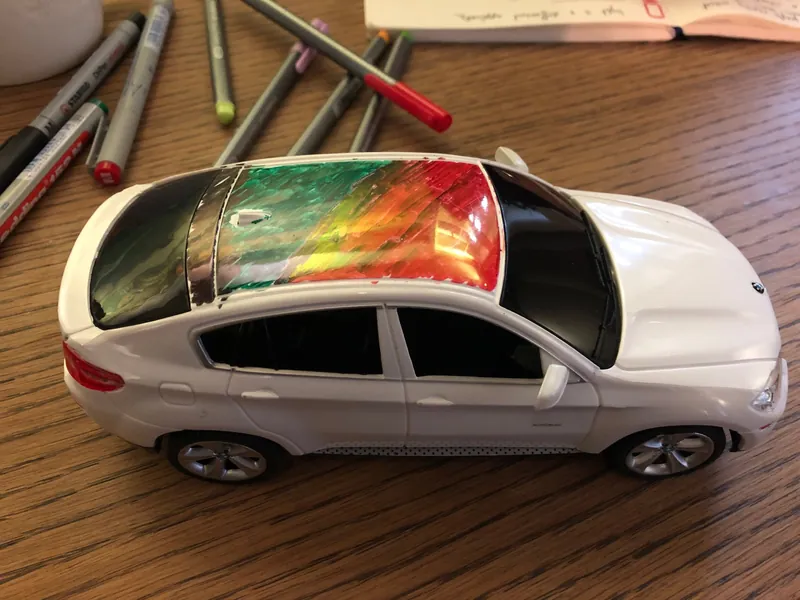
After many interviews, prototypes and benchmarking, it quickly became clear that future mobility users would like to use their time in a car to pursue activities such as reading, working, playing games or watching movies. However, this is problematic as many people are unable to do so due to motion sickness. The Design Thinking team has built a final prototype based on research, interviews and many iterations, which is able to synchronize the visual input with the vestibular system using intelligent LEDs that represent the speed of the car, thus reducing motion sickness symptoms.
Impact
Thanks to the portable solution of WAVE, which perfectly fits into the life of the user, the user is already able to use the WAVE lighting system and pursue activities that otherwise cause motion sickness. This is only the beginning, as soon as self-driving cars are on the road and the users don't have to drive anymore, OSRAM is able to remain an essential part of this ecosystem by integrating the technology into the interior of the car and thus allowing WAVE to realize its full potential.
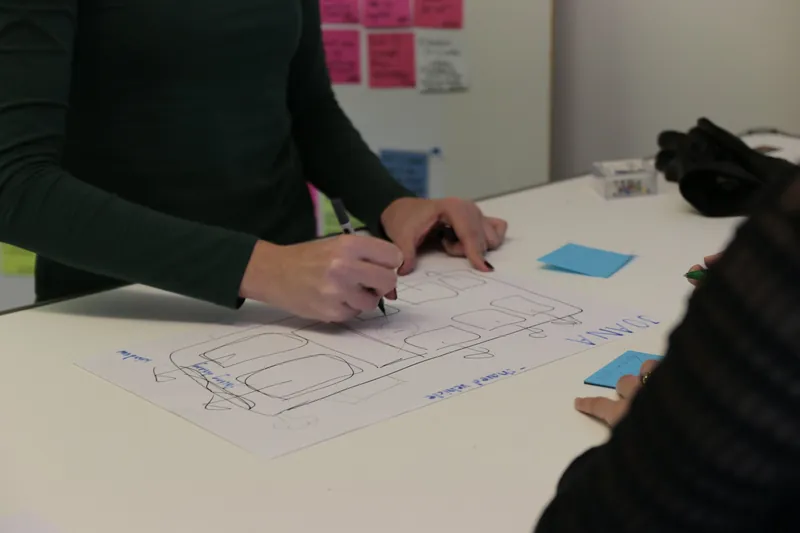
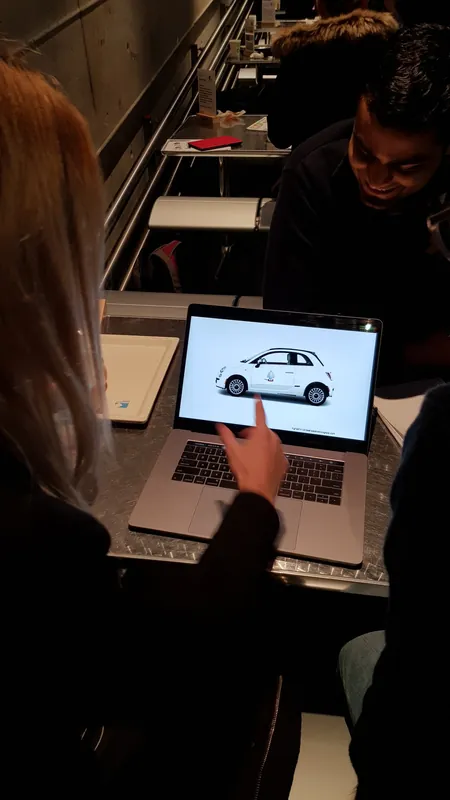
From the field to the prototype.
Who built it.

Yasna Mindilikova
Information Systems

Parag Jaein
Informatics

Vaheh Hatami
Informatics & Master in Finance and Information Management

Johannes Huber
Management and Technology

Bernadette Scherer
Management and Technology

Stefano Ferrazzini
Business Innovation

Michael Wittwer
Business Innovation

Alena Willi
Business Innovation