FloWaste
Computer vision records what comes back on plates, per diner and dish
Reducing food waste one plate at a time
- Key fact
- 79 %Of sector food waste is plate scraps
- Team
- 8 master students
- Disciplines
- Computer Engineering · Engineering with Management · International Management · Management Engineering · Marketing and Communication · Mechanical Engineering
What happened, step by step.
Challenge
A third of all food produced is wasted, and a quarter of that comes from hospitality and food service. FoodCloud challenged the team to achieve a step change reduction in this sector by 2020.
What the team learned
Canteen diners waste food because of wrong portion sizes, quality and food choices. Avoidable plate scraps make up 79 % of food waste in hospitality and food service.
What they built
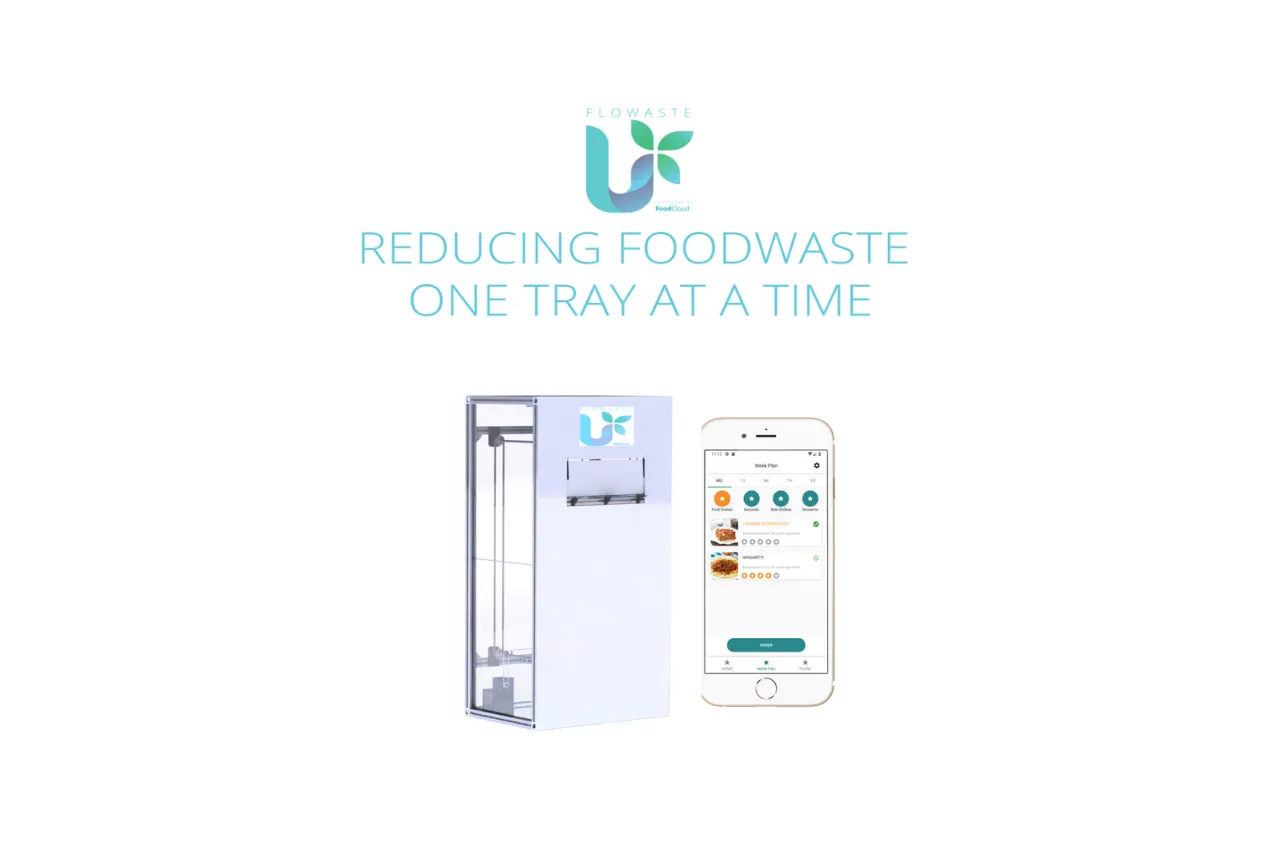
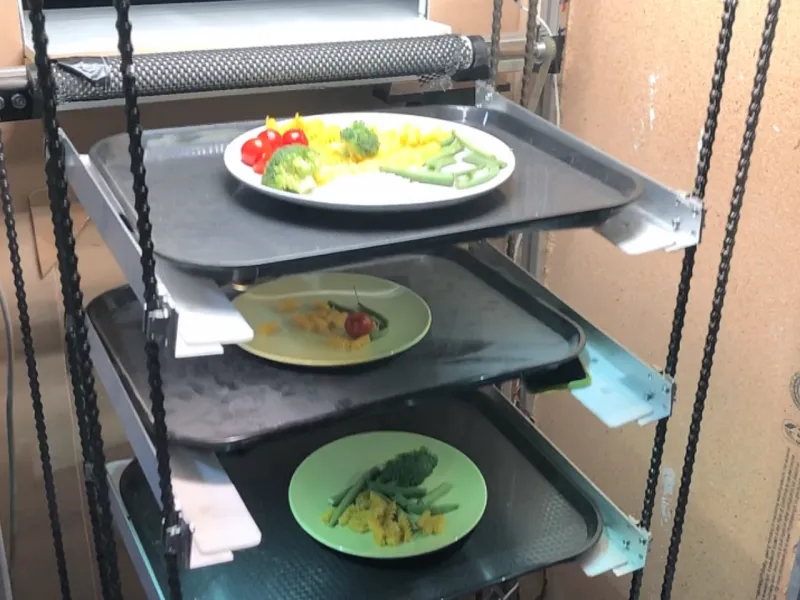
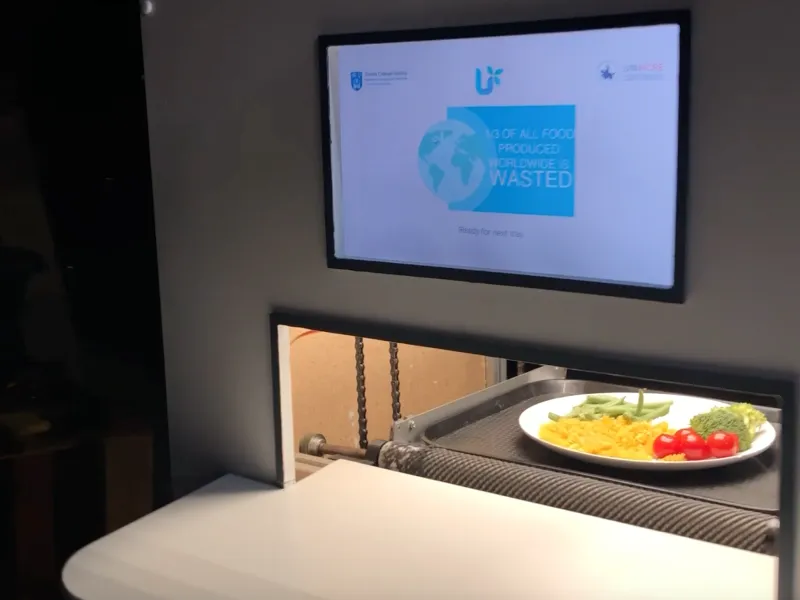
Diners state preferences and order in an app, and trays are tagged at the till. When they return trays to the FloWaste rack, computer vision identifies what is left and diners give feedback. Managers use the analytics to adjust menus, orders and portions.
Impact
FoodCloud could offer the system to companies short or long term and work with them to redistribute surplus food. Some businesses pay up to €200,000 a year for waste disposal.
Full project text
The team’s original texts from the project page.
A waste analytics system that aims to reduce food waste in the hospitality and food service sector by supplying managers with the data they need to reduce their food waste, cut costs and their impact on the environment.
Challenge
FoodCloud, the industrial partner, envision a world where no good food goes to waste and challenged the team to make a step change reduction in food waste in the hospitality and food service sector (HaFS) by 2020.
One third of all food produced worldwide is wasted, generating large amounts of harmful CO2 emissions. Farmland the size of China, Mongolia and Kazakhstan combined would be needed to grow food that is never actually eaten. With one quarter of food waste coming from the HaFS, a solution to this food waste, would have a large impact on food waste as a whole.
Solution
Canteen users waste food because of wrong portion sizes, quality, and wrong food choices. With the FloWaste system, it’s possible to track the food habit of people and to give them suggestions regarding the best food for them. Furthermore the system it’s possible to automatically check and record data regarding the waste produced by each person eating in a canteen and to use those data to improve the service offered in the canteen and to start sensibilization campaigns through a gamification process.
The solution is a waste analytics system that can fit seamlessly into any canteen-style restaurant. FloWaste aims to reduce avoidable food waste by using computer vision and customer feedback to gather information on the food that is coming back on plates. These plate scraps make up for 79% of all food waste in the HaFS. By giving managers and chefs the data that they need to make informed decisions regarding their ordering, menu items, and portion sizes, will enable them to take control of their inventory and become more cost-effective and environmentally friendly while simultaneously reducing food waste.
Impact
Food waste is not only a detriment to the environment but also a heavy financial burden on businesses within this sector, with some paying up to €200,000 annually to dispose of it. Our product will help reduce these costs for the food establishment as they will be throwing out less food.
Our product will build awareness about food waste to those working and dining in the HaFS. As more and more people become aware of their impact on the environment, be it by reducing their use of plastics, or driving electric cars, soon the vast problem of food waste will be something that people will also be making a conscious effort to reduce.
The offer of a personalized menu according to the needs of the end-user, the optimization of the ingredients, and the cost-cuts are impactful improvements in a canteen service provider and for the end-user. The gamification process, moreover, allows the user to be rewarded for its good behaviors and it becomes easier for companies to track and improve their services. The sponsor, FoodCloud, can offer the system as a temporary or long-term solution to companies that want to save on food waste and collaborate with them to redistribute the food in excess.
From the field to the prototype.
Who built it.

Nur Eral
International Management

Luca Laccheri
Management Engineering

Lorenzo Mazzoni
Computer Engineering

Francesca Castello
Marketing & Communication

Alex Schackleton
Mechanical Engineer
Anna Rafferty Lynam
Engineering with Management

Stefano Lupo
Computer Engineering

Rian McDonnell
Mechanical Engineer